
Global Point of Care

ID NOW™ Case Study:
Gateway / Mercy Urgent Care
HOW RAPID MOLECULAR RESPIRATORY TESTING ELEVATED CARE
AND EXPEDITED PATIENT FLOW
This case study highlights how an urgent care network improved speed and efficiency of patient care for respiratory illnesses.
After identifying that up to 90% of respiratory test results were not available during the patient visit, the practice implemented a two-pronged strategy: redesigned clinical workflows and introduction of more rapid molecular testing directly into exam rooms. The efficiencies improved the quality and timeliness of patient visits, maintained high patient satisfaction, elevated provider satisfaction, and decreased exam room turnover time to increase the number of patients seen per day.
Highlights
The combination of workflow modifications and placement of multiple ID NOW™ rapid molecular instruments into each patient exam room led to quantifiable improvements in time to results and patient care.
- 100% test results available in time for clinical decisions
- 33.3% reduction in diagnostic test time
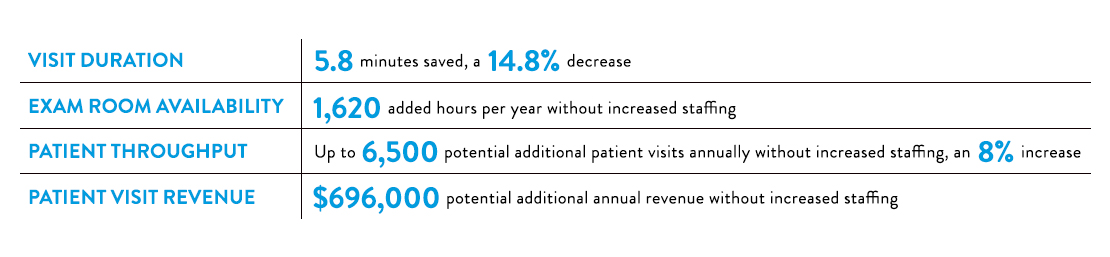
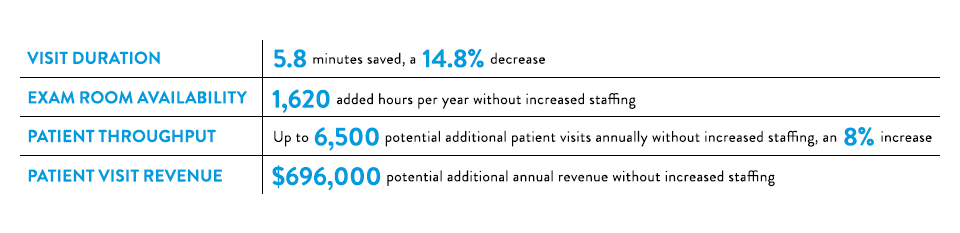
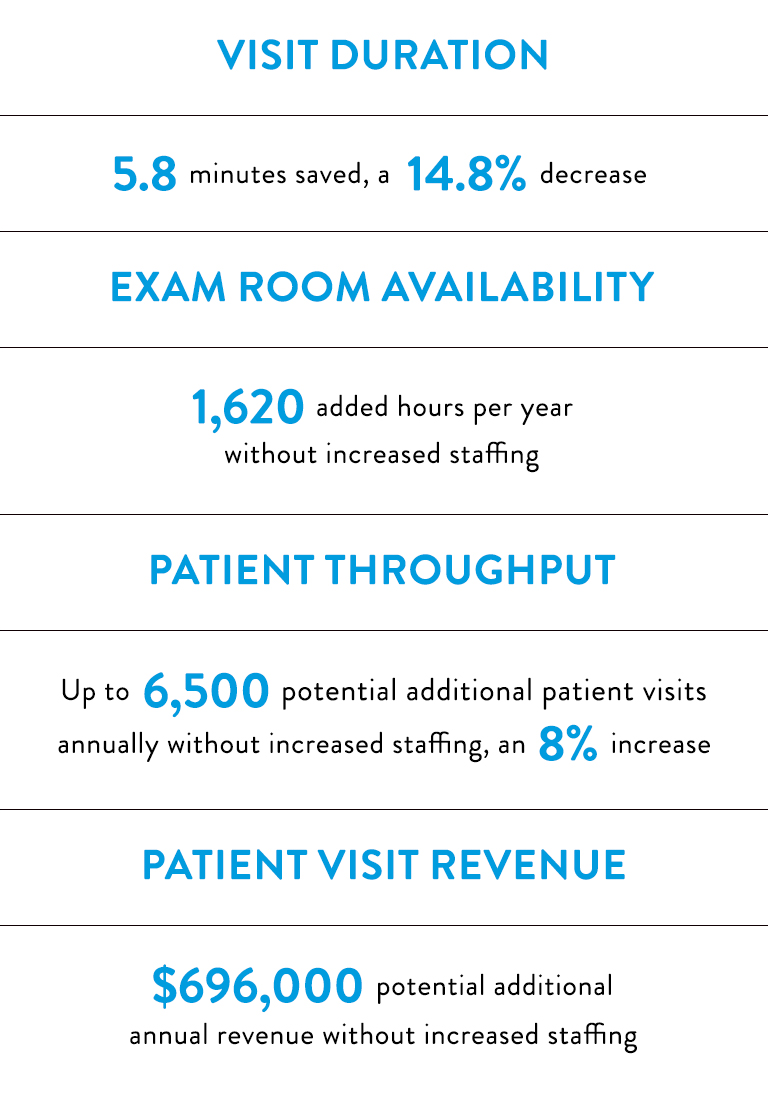
- 14.8% reduction in length of patient visits
- 8% increase in potential patient visits
- 64.7% decrease in patients needing > 1 test
- 43.8% decrease in strep A pharyngitis workup time†
VIEW THE FULL CASE STUDY
FOCUSED ON RESPIRATORY TESTING
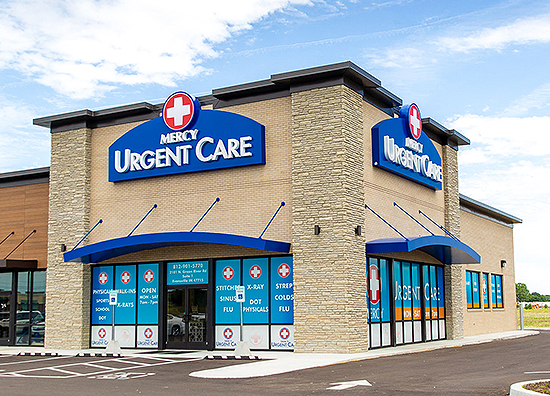
Gateway / Mercy Urgent Care operates six urgent care sites across southwest Indiana and western Kentucky. Care is provided by Advanced Practice Registered Nurses (APRNs), supported by triage and x-ray technicians, floating staff, and front desk personnel. Respiratory complaints are the most common reason for patient visits, driving over 46,000 tests annually. Prior to workflow adjustments, patient wait times averaged 16 minutes, with visits lasting 39.5 minutes from arrival to check-out. Based on their respiratory illness workload and commitment to delivering top-tier care, the practice evaluated the speed and efficiency of its respiratory visit workflows for improvement opportunities.
PRIOR TESTING APPROACH AND CHALLENGES
Respiratory Panels
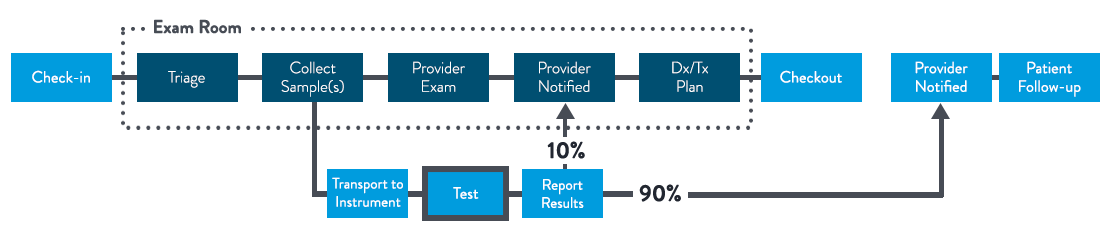
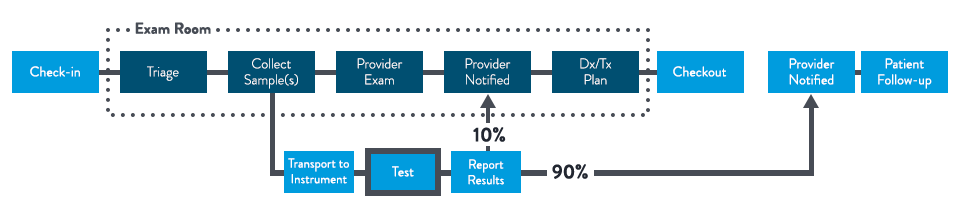
Each location had four molecular instruments positioned in a central hallway, running respiratory panels of up to 15 tests (Figure 1). With test times ranging from 15 to 45 minutes, results were often not available during the patient visit. Clinicians frequently needed to make empiric diagnoses and treatment decisions, while staff managed additional follow-up to communicate results and adjust care plans. Compounding these operational challenges, growing payer non-coverage for panel testing placed additional financial strain on both the practice and its patients.
Strep A Antigen
Because their existing molecular platform did not support strep A testing, the urgent care network relied solely on rapid antigen testing for patients with suspected strep A pharyngitis. While guidelines and the package insert recommend confirming negative results with lab cultures, doing so added over 20 minutes of staff time to process send-outs. As a result, only 3.5% of negative tests were sent for confirmation, potentially increasing the risk of missed diagnoses or issuing unnecessary antibiotic prescriptions.
Up to 90% of respiratory test results were not available in time for clinical decisions.
Figure 1. PRIOR WORKFLOW – Molecular Panel Testing in Hallway Lab
PRACTICE IMPROVEMENTS
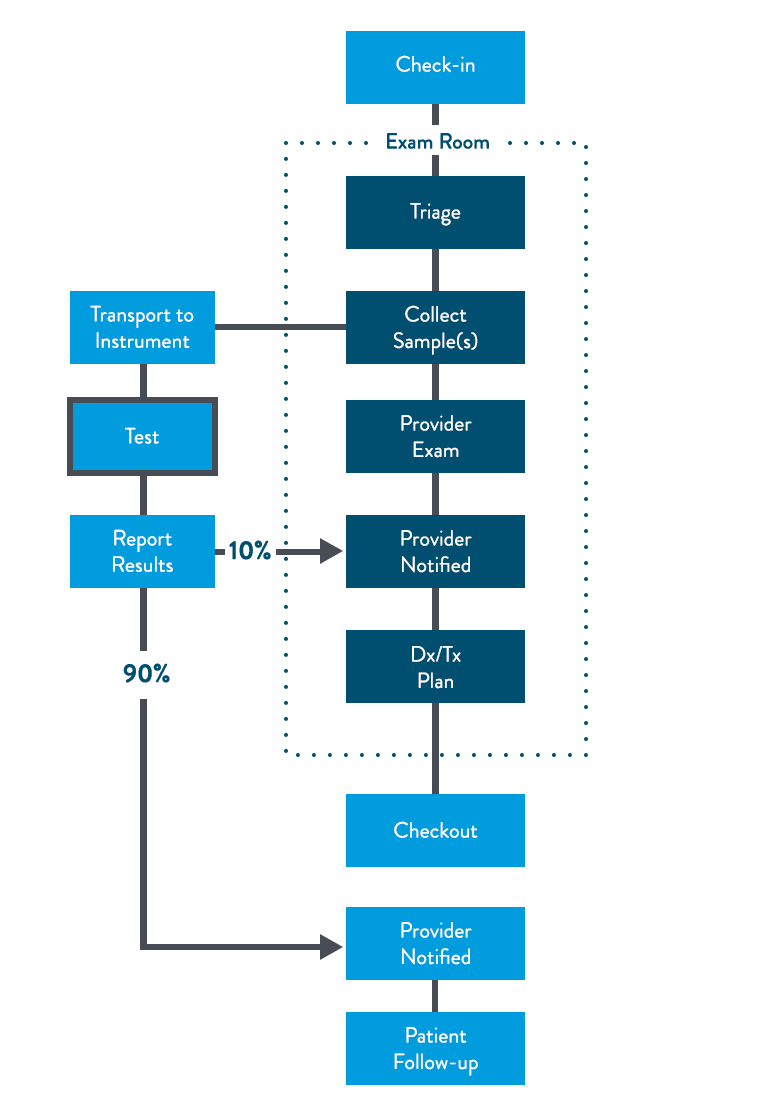
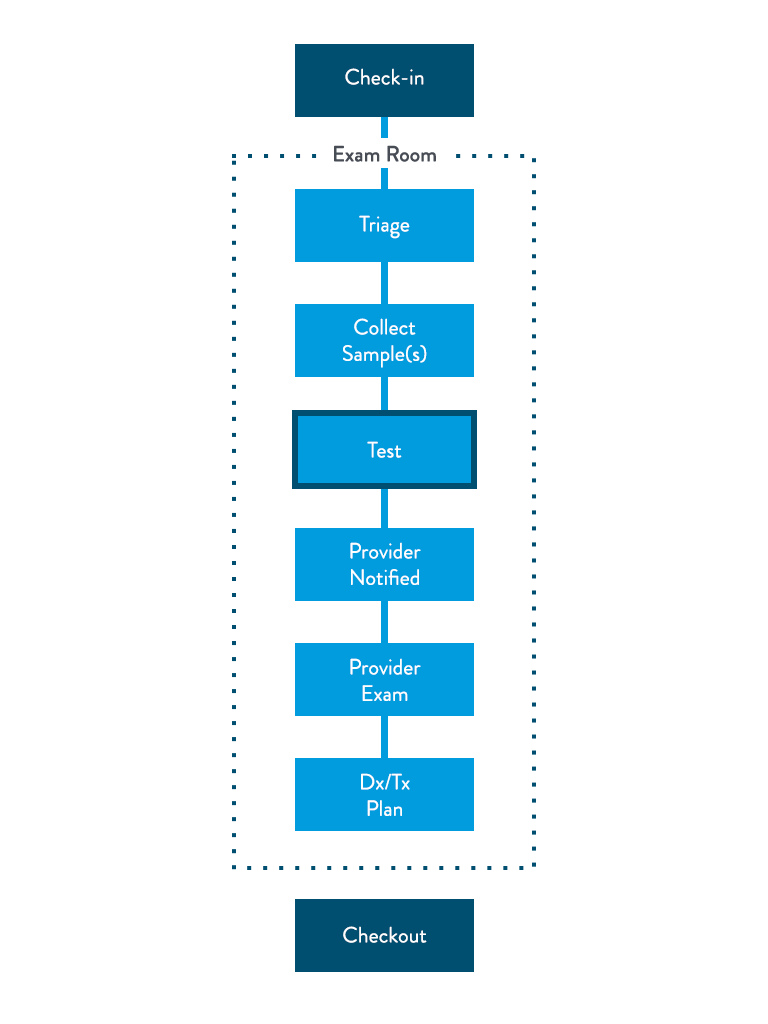
Gateway / Mercy revised their clinical workflow to implement faster rapid molecular instrumentation. The practice transitioned to the ID NOW™ molecular instrument and moved testing from the hallway directly into the patient exam room (Figure 2). The network also updated their triage protocol to improve test selection for respiratory patients.
Figure 2. REVISED WORKFLOW - ID NOW™ in Each Exam Room


“As a prior laboratory owner, molecular testing was essential for providing high-quality patient care.
We just needed an easier and faster test to support timely clinical decisions.”
— John McNulty, Owner
The impact of change
With the placement of ID NOW™ molecular testing in each patient exam room, testing time was reduced by 6 - 33 minutes, a time savings of 33.3%. Respiratory test results were available during every patient visit, allowing clinicians to make informed treatment decisions in real time. Strep A molecular testing eliminated 26.2 minutes per negative Strep A antigen testing confirmation, a 43.8% time savings. A more targeted symptom-based triage strategy reduced the need for more than one respiratory test by 64.7%.
As a result of these savings, there were notable improvements in patient visit duration and exam room turnover.
Net Promoter Scores were maintained or increased to 92-95%, indicating high patient satisfaction. Clinicians were highly satisfied with improved exam room efficiency and reduced testing bottlenecks.
“ID NOW™ allowed us to operate at the highest possible level for patient care and patient capacity – the impact has been extremely positive for both patients and the practice.”
— Kristen Beers, Chief Operating Officer
Conclusion
Across a 6-site urgent care network, adjusting patient triage and implementing ID NOW™ molecular testing in patient exam rooms eliminated molecular panel testing, reduced reliance on antigen testing and improved the availability of molecular test results during the patient visit. These changes led to shorter patient visits, streamlined staff workflows, and improved exam room availability all while maintaining or increasing patient satisfaction. This initiative highlights how strategic diagnostic investments can drive scalable and sustainable patient-centered improvements in urgent care.

TO LEARN MORE, CONTACT YOUR LOCAL ABBOTT REPRESENTATIVE
†Staff workflow time for negative strep A antigen send-outs.
The results shown here are specific to the implementation of ID NOW™ into one urgent care network and may differ from those achieved by other institutions. This case study was jointly developed with support from Gateway / Mercy Urgent Care and Abbott. Data and input were provided by Gateway / Mercy Urgent Care. Financial support for the time to develop this case study was provided by Abbott.
References
- ID NOW™ Strep A 2 clinical trial data, held on file.