
Global Point of Care

Viewpoints

Diagnosis Within Reach: An Abbott podcast on expanding access to diabetes diagnosis
Published August 14, 2026
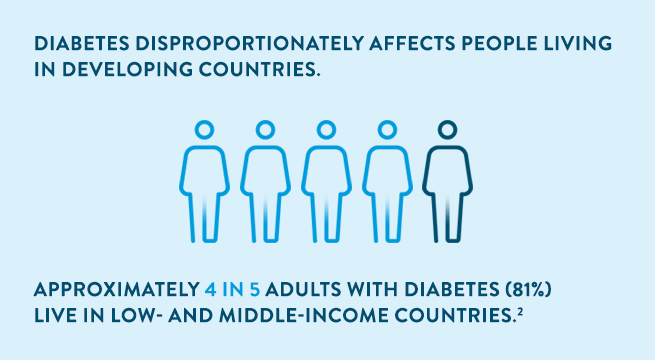
Diabetes remains one of the world's most significant public health challenges. According to the International Diabetes Federation, 589 million adults worldwide were living with diabetes in 2024, a number projected to rise to 853 million by 2050.1 Despite those numbers, almost one in two adults with diabetes remains undiagnosed, with major clinical and socio-economic consequences.2
In this podcast series, we analyze the gap in diabetes diagnosis and the impact of undiagnosed disease on patients’ outcomes. Through discussions with world-leading diabetes experts, we share how point-of-care solutions integrate into clinical workflow, how they contribute to closing the diabetes diagnosis gap, how they transform clinical decision-making and patient engagement, and ultimately how they can support improvement in diabetes outcomes.
During each episode, listeners will have an opportunity to learn more about the complexities of accurate diabetes diagnosis and the critical connection between early detection and improved patient outcomes.
Listen to the Diagnosis Within Reach Podcast
Hear from leading diabetes experts as they discuss challenges in diabetes diagnosis, healthcare access, and point-of-care testing.
Episodes Overview
Episode 1: The Undiagnosed - Who Are These Patients? Guest: Dr. Pamela Kushner, M.D.
8.7 million Americans with undiagnosed diabetes are not hiding—they're presenting to primary care for wellness visits and other concerns. But diagnostic testing barriers prevent diagnosis at the point of care. For providers serving underserved populations, this is a daily reality: seeing patients who SHOULD be diagnosed but CAN'T be diagnosed without external lab referral
Episode 2: Barriers to Access - Urban and Rural Realities Guest: Dr. Eden Miller, D.O.
Whether urban or rural, diagnostic access barriers manifest differently but create the same problem: patients who can't or don't return for external lab testing. Primary care CAN deliver optimal diagnosis and treatment initiation in a single visit—if quality diagnostic point-of-care testing is available. Without it, therapeutic inertia sets in and patients present to specialists too late.
Episode 3: The Cost of Late Diagnosis - Why Early Detection Matters Guest: Dr. Vivian Fonseca, M.D.
Specialists see the consequences of delayed diagnosis: patients presenting with uncontrolled disease and complications already developing, when the optimal window for effective intervention has passed. Integrated diabetes care requires primary care to identify patients early. When testing barriers exist, patients present to specialists too late. Early detection isn't just convenient, it prevents complications, reduces hospitalizations, and improves outcomes.
Episode 4: Quality Without Compromise - CLIA-Waived and Lab Standards Guest: Dr. Maggiore Jack, PhD
From a laboratory science perspective, CLIA-waived regulatory classification and analytical quality are NOT mutually exclusive. Understanding quality standards, validation requirements, and best practices is essential for expanding access to point-of-care testing, without compromising clinical confidence.
When diagnosis is out of reach, patients are left behind.
Diagnosis Within Reach is Abbott's podcast dedicated to expanding access to effective diabetes testing, advancing health equity, and helping build a healthcare system where no patient is left behind.
References
- International Diabetes Federation. IDF Diabetes Atlas, 11th ed. Global Factsheet [Internet]. Brussels (Belgium): International Diabetes Federation; 2025 [cited 2026 Jul 16]. Available from: https://diabetesatlas.org.
- International Diabetes Federation. IDF Diabetes Atlas: Global diabetes factsheet 2025. Brussels (Belgium): International Diabetes Federation; 2025. Highlights, p. 1.